9+ curated guides • Updated October 2025
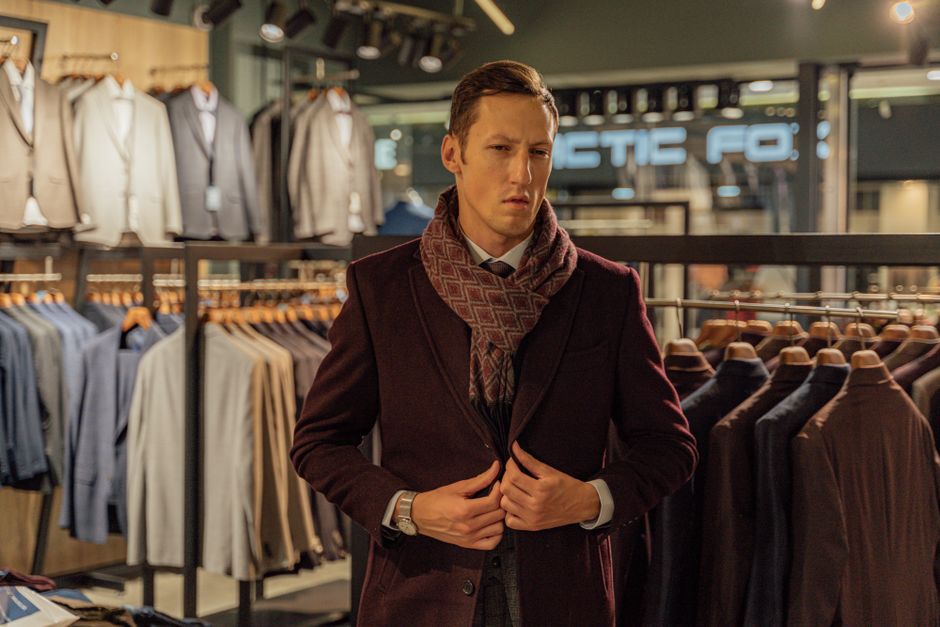
Forget the endless '10 ways to tie a scarf' tutorials. We've been thinking about scarves all wrong—as a final touch, an afterthought. This guide treats your scarf not as an accessory, but as the protagonist of your outfit, a single piece of fabric that lets you become the Parisian Minimalist, the Eccentric Artist, or the Countryside Intellectual, all in the same week. We're not just adding a pattern; we're adopting a persona. This is about using a single, powerful item to signal a shift in mindset, confidence, and character. It’s the most potent, and most overlooked, tool in your psychological style arsenal.
Forget the waitlists at Hermès. The most significant status symbol in fashion today sells out in eight minutes and is proudly made of vegan leather. The Telfar bag, or 'Bushwick Birkin,' isn't just an accessory; it's a membership card to a new school of thought that values inclusivity over exclusivity. We're decoding what owning one truly says about you and the future of luxury.
That chunky gold chain trending on TikTok isn't new; it's a direct descendant of Roman status symbols. The delicate 'charm' jewellery flooding your feed has deep roots in Victorian sentimentality. Before you buy into the next big thing, understand that you're not just wearing a trend—you're wearing a piece of history, cleverly repackaged. In the dizzying world of fast fashion and micro-trends, we are led to believe in a constant state of invention. But as a curator who spends their days surrounded by the ghosts of aesthetics past, I can assure you that true novelty in design is exceedingly rare. The modern jewellery market is not a laboratory of new ideas, but a masterful DJ, sampling the greatest hits of history and remixing them for a new audience. This article pulls back the curtain on this illusion, revealing the direct lineage from ancient workshops to your current wish list.
We’re used to seeing celebrity endorsements, but a quiet revolution is happening beyond the red carpet. Forget being the face of a brand; the most powerful Black women in entertainment are now building the entire empire, transforming their cultural capital into formidable business dynasties. This isn't about a simple line of merchandise; it's a strategic shift from being a player in the game to owning the entire stadium. This analysis deconstructs the sophisticated playbook being used by figures like Rihanna, Beyoncé, and Issa Rae to convert influence into equity, building ventures that are not only profitable but culturally resonant and structurally disruptive. They are authoring a new chapter in entrepreneurship, one where authenticity is the ultimate currency and community is the cornerstone of commerce.
Scroll through any red carpet gallery, and you'll notice something strange. Beyond the designer gowns and flawless makeup, a curious uniformity has taken hold: the smile. This isn't just about straight, white teeth anymore; it's about an identical, hyper-perfect 'veneer face' that has quietly become the Hollywood standard, pushing us into a bizarre dental uncanny valley where perfection starts to feel profoundly unnatural. This aesthetic shift signals a deeper cultural move away from enhancing natural features and towards replacing them with a standardized, digitally-optimized ideal. We're no longer celebrating unique beauty; we're manufacturing a uniform version of it, and the results are becoming subtly unsettling.
You've seen the shocking headlines about AI fakes targeting celebrities and likely dismissed it as a distant, bizarre Hollywood problem. But the same technology is now accessible to anyone, and the photos you share online are the raw material. This is no longer just about protecting stars; it's about building a digital fortress to protect yourself. The tools that generate these hyper-realistic forgeries have been democratized. What once required a Hollywood VFX budget now runs on a consumer-grade laptop. The barrier to entry for creating malicious, reputation-destroying content has collapsed. Every photo you've ever posted—your vacation pictures, your professional headshot, your social media profile images—is a potential data point for an AI model designed to exploit your likeness. This article is not about fear; it's about control. It's time to move from being a passive data source to an active defender of your own digital identity.
The news cycle moves fast, often reducing a lifetime of achievement to a headline and a date. But a true legacy isn't just about what someone did; it's about what they taught us. This week, we look beyond the obituaries to celebrate the enduring lessons left behind by the icons we lost. We reflect on the uncompromising vision of avant-garde musician Jax 'The Ghost' Riley, the relentless focus of journalist Eleanor Vance, and the collaborative genius of character actor Marcus Thorne. Each of their stories offers not just a memory to cherish, but a blueprint to live by.
We watch K-dramas about the glittering, treacherous world of celebrity for the escapism. But what happens when the script stops being fiction and starts looking like a prophecy? This exploration delves into the unsettling moments when an actor's on-screen role eerily foreshadowed their own real-life triumphs, heartbreaks, and scandals. For years, I've sat in press junkets and watched dailies, but nothing is more fascinating than the strange feedback loop between the characters on screen and the stars who play them. It's a phenomenon that goes beyond simple coincidence, suggesting a deeper connection between the narratives we consume and the lives that create them. This isn't just art imitating life; this is art drawing a map for a life yet to be lived.
Most people book a cruise for the ports of call, viewing the ship as a floating hotel between destinations. But what if the most breathtaking destination wasn't on the itinerary? The Celebrity Beyond challenges this very notion, presenting itself not just as a vessel, but as a masterfully curated gallery of art and design that deserves to be explored in its own right. This isn't merely a ship; it is a meticulously composed argument for the importance of design in shaping our experience of travel. As a critic who has spent decades analyzing the interplay of form and function, I find the Beyond to be one of the most compelling architectural statements at sea today. It demands we shift our focus from where the ship is going, to what the ship is.